


Cairo – Dalia Attia
Egypt’s Ministry of Interior has disclosed details of a sophisticated terrorist plot orchestrated by elements of the “Hasm” movement, an armed group linked to the Muslim Brotherhood, in what authorities describe as an attempt to reignite violence
Beyond the operational and security dimensions, the case has taken an unusual turn with the emergence of an internal voice from within the organization itself—one marked by confession, disillusionment, and a stark denunciation of the ideology it once embraced.
Officials frame the incident as part of a broader and prolonged confrontation, emphasizing that Egypt has faced not isolated threats but a sustained campaign aimed at destabilizing the state and endangering civilian lives. The battle, they stress, has extended beyond armed clashes to include countering narratives that justify violence under ideological or religious pretexts.
While state institutions mobilized to safeguard national security, the human cost remained significant. Families were affected, lives were lost, and communities bore the burden of ongoing instability. Authorities underline that the core of this confrontation lies in protecting the fundamental right to life and security in the face of groups that adopted violence as a strategy.
According to the Ministry, the case represents more than a thwarted attack; it reflects a continuation of Egypt’s decade-long campaign against terrorism ، which has exacted considerable human and economic costs. Investigations point to an organized network involved in targeting critical infrastructure and security facilities, supported by cross-border systems of recruitment, ،
Security operations have included raids on militant hideouts, surveillance of fugitive leaders abroad, and the dismantling of transnational support networks. A 2025 raid in Giza is cited as part of these ongoing efforts to disrupt militant activity.
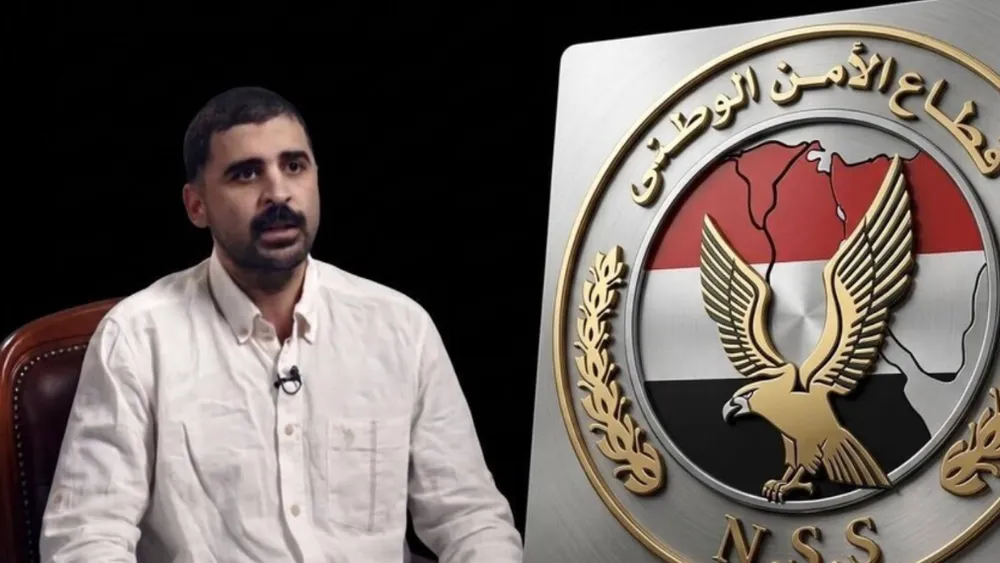
A pivotal development in the case emerged through statements attributed to fugitive leader Ali Mahmoud Abdel Wanis. His remarks, described by observers as reflective of deep personal reckoning, challenge the ideological framing long used by extremist groups. “They portrayed the conflict as a religious war, but it wasn’t—it was a struggle for power,” he reportedly stated, calling into question the narrative underpinning such movements.
Abdel Wanis detailed his trajectory from university recruitment to receiving advanced training in the Gaza Strip, including weapons handling and explosives. He also acknowledged involvement in major العمليات، before expressing regret and urging an end to further violence.
His account further points to a complex organizational structure, including coordination with other armed groups, the establishment of training camps outside Egypt, and efforts to develop capabilities targeting high-profile state assets. It also highlights the role of affiliated media platforms, which he claims were used to influence public opinion and erode trust in state institutions.
Amid these revelations, the most striking element remains the personal dimension of his testimony. In emotional remarks, he expressed regret over lost years and warned younger generations against following a similar path, signaling a collapse in the narrative often used to recruit members.
Egyptian authorities view this case not only as a security achievement but as part of a wider effort to confront extremist الفكر، dismantle its structures, and prevent its redeploy. This approach, they say, combines security measures with ideological counteraction to maintain stability in a region marked by ongoing volatility.
As global attention remains focused on the evolution of extremism, such testimonies may serve as critical insights into its Interiordynamics—illustrating how cycles of violence often culminate not in victory, but in reflection and remorse.

